
Heart Health Diet Tips for Men
Discover evidence-based nutritional strategies to support cardiovascular wellness. Learn how simple dietary adjustments can help you maintain a healthier heart at every stage of life.
The information on this site is for educational purposes only and does not constitute medical advice. Always consult a qualified healthcare professional before making health decisions.
Heart Health by the Numbers
Men face elevated cardiovascular risk factors during their lifetime
Of heart-related events can be influenced by dietary choices
Daily fiber intake recommended for optimal cardiovascular support
Servings of fruits and vegetables daily for best results
Why Diet Matters for Male Heart Health
For men, dietary choices form the foundation of long-term cardiovascular wellness. Unlike many other health factors, what you eat is entirely within your control and can make a remarkable difference in how your heart functions throughout your life.
Research consistently shows that men who adopt heart-supportive eating patterns experience better energy levels, improved circulation, and stronger overall wellness. The foods you choose today directly influence your cardiovascular resilience in the years ahead.
This guide explores practical, science-backed nutritional strategies designed specifically for men. You'll discover which foods provide the most heart-supporting nutrients, how to structure your meals for maximum benefit, and how to make sustainable changes that fit your lifestyle.
Learn More About Heart-Healthy Eating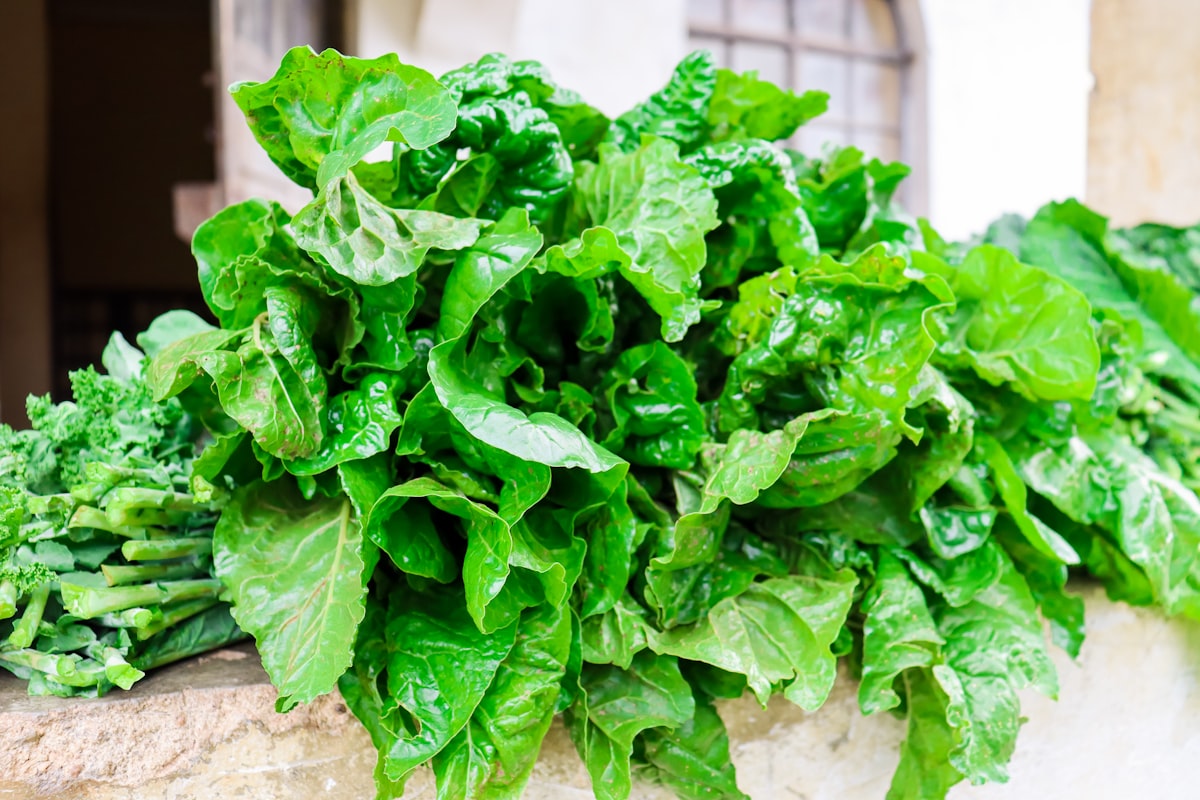
Top 5 Foods for Men's Heart Health
Fatty Fish
Salmon, mackerel, and sardines are rich in omega-3 fatty acids that support healthy circulation and reduce inflammation throughout the cardiovascular system.
Aim for 2-3 servings weekly for optimal benefits
Leafy Greens
Spinach, kale, and Swiss chard provide essential minerals and antioxidants that protect blood vessel health and support natural blood pressure regulation.
Include in daily salads and cooked dishes
Berries
Blueberries, strawberries, and raspberries contain powerful polyphenols that improve blood flow and support endothelial function throughout the body.
Fresh or frozen—both provide excellent heart support
Nuts and Seeds
Almonds, walnuts, flax seeds, and chia seeds deliver plant-based omega-3s, fiber, and polyphenols that strengthen cardiovascular resilience.
A small handful daily provides substantial benefits
Whole Grains
Oats, brown rice, quinoa, and barley provide soluble fiber that helps maintain healthy cholesterol levels and supports steady energy throughout the day.
Replace refined grains with whole grain alternatives
Green Tea
Rich in catechins and L-theanine, green tea supports healthy blood vessel function and provides antioxidant protection for cardiovascular tissues.
2-3 cups daily offers measurable heart support
Key Risk Factors You Should Know
Understanding cardiovascular risk factors empowers you to make informed dietary decisions. Men face particular challenges related to inflammation, blood pressure regulation, and cholesterol levels—all directly influenced by nutritional choices.
- Inflammation: Processed foods and excess refined carbohydrates increase inflammation markers associated with cardiovascular strain
- Blood Pressure: High sodium intake and low potassium consumption contribute to elevated pressure in blood vessels
- Cholesterol Balance: Saturated fat and trans fat consumption affects your body's natural cholesterol management
- Weight Management: Maintaining healthy body composition reduces strain on the cardiovascular system
- Metabolic Health: Blood sugar stability affects long-term cardiovascular resilience and energy levels
Your Path to Better Heart Health
Assess Your Current Diet
Begin by honestly evaluating what you currently eat. Track your meals for a few days to identify patterns, nutritional gaps, and habits that may not serve your cardiovascular health. Understanding your starting point makes the transition to heart-healthy eating more manageable.
Week 1-2: Awareness and observation phase
Make Gradual Changes
Rather than overhauling your diet overnight, implement changes progressively. Replace one regular beverage with green tea, add an extra vegetable to dinner, or swap refined grains for whole grains in one meal. Small, sustainable shifts compound into significant improvements.
Week 3-8: Integration and adaptation period
Monitor and Optimize
After 8-12 weeks, notice how you feel—energy levels, sleep quality, overall vitality. Explore our detailed articles to refine your approach based on your individual response. The best diet is one you can maintain and enjoy long-term.
Week 9+: Refinement and long-term sustainability
What Our Readers Say
I've been following these heart-health dietary guidelines for about four months now, and the difference is remarkable. My energy levels are consistently higher, I sleep better, and I feel genuinely stronger. The recommendations are practical and don't require extreme restrictions—just smart choices that have become my new normal.
Ranu Malik
Medan, Indonesia
As someone who travels frequently for work, I was skeptical that these dietary strategies would actually fit my lifestyle. But the flexibility and clarity of the information here has helped me make better choices even when eating out or in unfamiliar restaurants. I feel significantly more confident about my cardiovascular health now.
Arjun Desai
Jakarta, Indonesia
My doctor mentioned I should pay more attention to what I eat, and I found this resource incredibly helpful. The science-backed explanations make it clear why certain foods matter, and the practical meal structure suggestions have transformed how I approach daily nutrition. I'm genuinely impressed with the quality of the content.
Sanjay Patel
Surabaya, Indonesia
Having struggled with maintaining healthy eating habits for years, I appreciated the non-judgmental, straightforward approach here. The guides focus on adding good foods rather than restriction, which keeps me motivated. Six weeks in and I already notice improvements in how I feel throughout the day.
Vikram Kumar
Bandung, Indonesia
Frequently Asked Questions
Most people notice improved energy levels and better sleep within 2-3 weeks of consistent dietary changes. More significant cardiovascular improvements typically emerge over 8-12 weeks as your body adapts. Keep in mind that everyone responds differently based on starting point, genetics, and overall lifestyle factors. The key is consistency rather than perfection.
No. Heart-healthy eating is about balance and progression, not deprivation. The goal is to build meals primarily around nutrient-dense whole foods while allowing occasional flexibility. Most sustainable dietary approaches include foods you genuinely enjoy—the focus shifts to portion sizes and frequency rather than complete elimination. Enjoy your favorite foods as occasional treats rather than daily staples.
Absolutely. Optimal cardiovascular wellness combines nutrition with regular physical activity, adequate sleep, stress management, and maintaining social connections. These dietary strategies complement other healthy lifestyle choices perfectly. In fact, when combined with regular movement and stress reduction, the cardiovascular benefits amplify significantly.
Heart-healthy nutrition can be adapted to various dietary preferences including vegetarian, vegan, and gluten-free approaches. Our detailed articles include substitution suggestions and alternative food sources for key nutrients. Whether you follow specific dietary patterns or have allergies, the core principles—whole foods, plenty of produce, healthy fats—remain universally applicable.
Long-term success comes from making gradual, manageable changes that align with your actual lifestyle and preferences. Start with one or two simple changes, master them, then add more. Find heart-healthy foods you genuinely enjoy, experiment with preparation methods, and focus on how you feel rather than restrictions. Building community—cooking with family or friends—also strengthens commitment and makes the journey more enjoyable.
Ready to Transform Your Heart Health?
Explore our comprehensive guides, dietary frameworks, and evidence-based recommendations designed specifically for men who want to take control of their cardiovascular wellness through nutrition.
For questions about our editorial content, please visit our contact page or review our disclaimer.